Small Influencers: How Brands Find and Choose Creators
Find small influencers for your brand. Compare audience fit, recent reach, engagement quality and campaign costs before choosing nano or micro-creators.

Quick answers
Accepting a gift-only offer does not mean a creator has agreed to publish. If your campaign requires content, agree the deliverables, compensation, dates and usage terms explicitly before sending the product.
Gifting describes the product offer. Product seeding describes a wider strategy of introducing products to relevant creators. This guide uses an opt-in, gift-only pilot where posting is voluntary.
Add your actual product cost, packaging, shipping, handling, staff time and any other campaign expenses. Retail value is different from your cost. The worked example here is hypothetical, not a market price or posting benchmark.
FTC guidance says to disclose a free-product relationship when mentioning the brand, even without a request to post. Make the disclosure easy to notice and understand.
Do not treat a gift as permission to use content in advertising. Agree the intended uses, duration, editing and payment separately, and record the creator's permission before reusing the work.
An influencer gifting campaign offers a product to relevant creators so they can try it. In a gift-only pilot, accepting the product is not an agreement to publish, endorse it positively or let the brand reuse their content. Ask whether they want the gift, account for the full cost, and record what you actually observe. If you need a guaranteed deliverable, make that a separate, explicit agreement.
Ready to prepare a pilot? Start with the shortlist research prompt, adapt the opt-in invitation, then fill in your costs and evidence worksheet.
Start with a batch your team can fulfil and review properly. The useful first result is a clearer picture of product fit, creator interest and operational cost. A shipment count alone cannot tell you whether the campaign worked.
Set the arrangement before you shortlist anyone. The same box of products can sit inside very different relationships.
| Arrangement | What the creator is accepting | What the brand can plan around |
|---|---|---|
| Gift-only pilot | A product they choose to receive, with no posting requirement | Delivery, voluntary feedback and any posts you later observe |
| Product in exchange for content | An agreed exchange with specific deliverables | The scope both parties accepted, including dates and terms |
| Paid collaboration with a product | Compensation and a defined content assignment | The agreed deliverables, fee and usage permissions |
Shopify’s product-seeding guide describes seeding as sending products without an explicit content request. That is the model used here. A required Reel, a publication deadline or a mandatory positive review does not belong in the gift-only invitation below.
When you need contracted work, use a brand partnership proposal to write down the deliverables and terms. Keep that conversation separate from accepting a sample.
Write a short pilot brief with five decisions:
For a desk-accessories brand, the question might be: “Do creators who regularly show small-space home offices want to try this product, and what do we learn from their use?” That is more useful than “Can we ship to as many accounts as possible?”
Your reporting window is an internal review date. It is not a deadline that a gift-only recipient has agreed to meet. Keep an owner on the pilot who can answer product questions and handle delivery problems.
Review what creators publish before looking at a follower threshold. Find actual posts about the problem your product addresses. An attractive profile with no relevant work is weak evidence for a gifting decision.
For each candidate, record one source post and a short fit reason. Check whether the product could reasonably appear in their usual work, whether the language suits the campaign and whether they already describe a competing relationship. Treat these as review questions, not a hidden numerical “fit score.”
Compare performance within a platform. Views on a TikTok and views on a YouTube video do not give you an interchangeable measure of attention. A missing follower count is unknown; it is not zero. A country used to conduct a search is also not proof of where a creator lives or where their audience lives.
Keep suitability and willingness separate. Content evidence can justify an invitation. Only the creator’s answer tells you whether they want the product.
Mysocial’s creator discovery searches topic-relevant published content on Instagram, TikTok and YouTube. Results can include creator profiles, available follower counts, matching-post performance and source posts. A connected assistant can use that evidence to explain a shortlist for your review.
Connect Mysocial to your AI assistant and try this prompt, replacing the example with your product:
Find up to 5 Instagram creators publishing about small-space home offices for my desk-accessories brand. Check my active workspace and discovery access first. Use one topic search, show relevant source posts and explain what makes each creator worth reviewing. Mark missing data and unverified location as unknown. Ask before expanding the research or saving prospects. Do not send invitations.Creator discovery requires Universe access and an available research allowance. A repeated search may return stored results, so check the search date and coverage before treating the answer as fresh. This step helps with creator research; arrange consent, addresses and fulfilment through your own campaign process.
An opt-in invitation makes the offer clear before you collect shipping information. Mention a real post that explains why you approached this person. Offer a product you can fulfil, including relevant variants, and make declining easy.
Here is an original message you can adapt for a genuinely gift-only offer:
Hi [Name],

I saw your [specific post] about [topic]. I work with [Brand], and our [product] is designed for [relevant use]. Would you like to try one as a gift?

There is no requirement to post or give a positive review. If you choose to mention it, please make clear that [Brand] sent it free.

If you're interested, I can send the product options and our delivery form. No problem if it isn't a fit.

[Your name]
Replace every bracket and check that the message describes your real offer. For broader contact preparation, see the influencer outreach guide. Do not add a required post after the creator has accepted a no-obligation gift; discuss a new collaboration instead.
After a yes, confirm the product, size or variant, destination eligibility and practical delivery details. Collect addresses through your fulfilment process. In a shared campaign worksheet, use a shipment or order reference rather than copying home addresses into every team’s research sheet.
Include practical instructions: how to use the product, what is in the box and how to contact you about a problem. Separate substantiated product information from a suggested opinion. A creator needs room to describe their own experience.
For campaigns affecting US consumers, the FTC’s Disclosures 101 says free products can create a relationship that needs disclosure when the creator mentions the brand, even without a posting request. Put the disclosure with the endorsement, where viewers can notice it. For video, include it in the video; for Stories, make it readable on the image. Other jurisdictions can have their own rules.
The FTC’s endorsement Q&A distinguishes an ambiguous standalone “gifted” from wording that identifies the gifting brand. It also advises brands to explain disclosure expectations and monitor resulting tagged endorsements. Include that review in your process rather than assuming a message or platform label settles it.
Use the cost of supplying the product, not just the retail price printed on the box. Keep retail value in a separate field if it is useful for describing the offer.
Hypothetical example: a brand plans to fulfil 12 accepted gifts. These figures are invented inputs to demonstrate the arithmetic; they are not supplier quotes, customer results or industry averages.
| Cost item | Assumption | Pilot cost |
|---|---|---|
| Product cost | 12 × $18 | $216 |
| Packaging | 12 × $3 | $36 |
| Shipping | 12 × $8 | $96 |
| Staff time | 4 hours × $35 | $140 |
| Contingency | A chosen reserve | $60 |
| Budgeted total | $216 + $36 + $96 + $140 + $60 | $548 |
Replace the inputs with your costs and add applicable taxes, duties, fees or replacement shipments. After the pilot, reconcile actual expenses; an unused reserve is not an expense you incurred. Also separate cash outlay from an allocation for existing staff time so your team knows which figure it is comparing.
Do not put an assumed posting rate into the budget and present it as an expected outcome. If this hypothetical pilot ultimately costs $548 and you verify four eligible posts, the descriptive cost per observed post is $137. If you verify none, there is no finite cost-per-post result. Neither scenario estimates sales or proves the next batch will behave the same way.
Use one row per creator/gift, with a linked post log when someone publishes more than once. The fields below are an operational template, not data that Mysocial automatically collects for a gifting campaign.
| Field | What to record |
|---|---|
| Campaign and public creator ID | Stable identifiers for reconciling the pilot |
| Fit evidence | Platform, source post URL and your reason for inviting them |
| Offer and answer | Gift-only or agreed deliverable; accepted, declined or unanswered; response date |
| Fulfilment | Product/variant, order reference, sent date and confirmed delivery date |
| Cost | Product, packaging, shipping, other expenses and allocated staff time |
| Observed content | Post URL, platform, publication date when available and date checked |
| Disclosure review | What you could observe, any concern and the follow-up taken |
| Reuse permission | Intended use, permission record and agreed limits; otherwise pending |
| Feedback and next step | Product feedback, delivery issue or separately proposed collaboration |
Distinguish not observed, not yet checked and confirmed no post within the checked scope. You may miss an expired Story, an untagged mention or a deleted post. Record the scope and date of your search; “we did not find it” is narrower than “nothing was published.”
For your internal campaign record, keep available URLs and permitted evidence promptly. If you want to repost, edit, run ads or use a creator’s identity in a promotion, first record permission for that specific use. A public mention and a valuable content asset are different things to approve.
At your review date, reconcile four layers:
Count creators and posts separately. One creator can publish several pieces, and the same person can appear on more than one platform. Avoid describing a sum of views as unique people reached.
If a creator voluntarily shares a clickable campaign link, the influencer UTM tracking guide helps you label that traffic. A tagged visit is not a purchase. A purchase associated with a link or code is also not, by itself, proof that the campaign caused an incremental sale. Keep attribution assumptions visible and use the influencer measurement guide for the wider reporting plan.
Resolve delivery problems before asking for more. If the product was unsuitable, adjust your shortlist or offer. If a creator’s observed work fits a future brief, ask whether they want a paid conversation and agree the scope before treating them as booked.
Scale only when your team can explain what it spent, what evidence it holds and why another batch is worth testing. For a gift-only pilot, voluntary silence is an outcome to understand, not a broken promise to chase.
For brand and agency teams
Use the research prompt above to find relevant creator posts. Review the evidence with your team before inviting anyone to receive a product.
Creator discovery requires Universe access and an available research allowance. Invitations and fulfilment remain your team's responsibility.
Influencer Marketing Strategy
Related Posts
Find small influencers for your brand. Compare audience fit, recent reach, engagement quality and campaign costs before choosing nano or micro-creators.
Create a clear brand partnership proposal with deliverables, pricing, dates and evidence. Copy the template or build and download a draft for free.
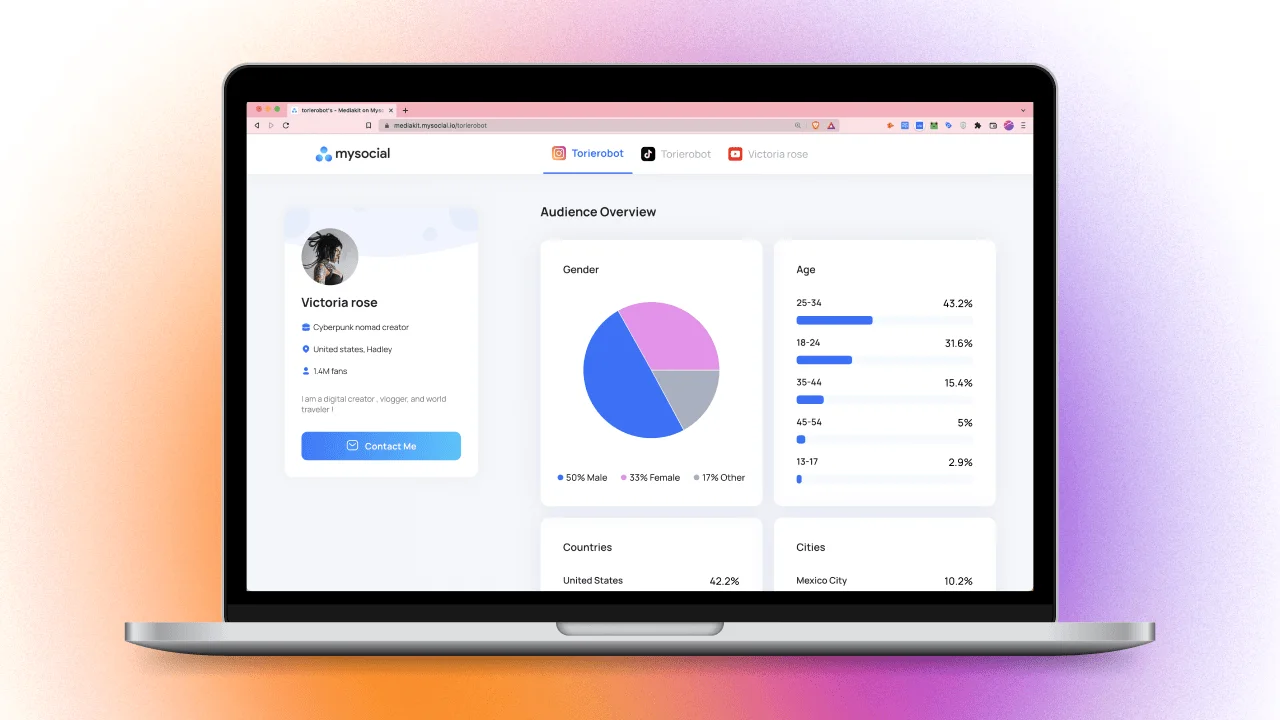
Build a media kit that wins brand deals. 7 essential sections, metrics to include, rate card tips, and how to stand out from competitors.