
Social Media Statistics 2026: Users & Engagement
The ultimate social media stats for 2026 -- user counts, engagement rates, demographics, and revenue data across all major platforms.

Quick answers
Yes. Pinterest is a visual search engine, and AI-generated food photos that look realistic and styled well consistently earn saves and clicks. The key is high resolution, proper aspect ratios (2:3), and keyword-rich pin descriptions.
ChatGPT, Gemini, Midjourney, and MySocial AI Content Studio all produce photorealistic food images from text prompts. Use specific prompts with lighting direction, plating style, and background details. One dish can generate 20+ unique variations for Pinterest board variety.
More pins per recipe means more surface area in Pinterest search results. Each AI variation targets a different keyword or board, compounding your discoverability without requiring additional photoshoots.
Yes, as long as you are transparent. Label AI-generated images when appropriate, and never claim an AI photo is from a real cooking session. Use AI to supplement — not replace — your authentic content.
Pinterest is the only major platform where content has a shelf life measured in months, not hours. For food creators, that means a single well-optimized pin can drive traffic for a year. Now multiply that by 20 AI-generated variations of the same dish — each one targeting a different keyword, board, or aesthetic — and you have a content strategy that compounds without extra photoshoots.
This guide covers how to use AI image generation to scale your food photography on Pinterest, from prompting techniques to board strategy and SEO optimization.
85%
of Pinterest users plan purchases via food pins
12x
longer content lifespan vs. Instagram feed posts
5B+
monthly searches on Pinterest
Unlike Instagram or TikTok where algorithms favor recency, Pinterest is a visual search engine. Pins surface based on keyword relevance, save rates, and visual quality — not posting time. That means more high-quality pins per topic equals more discovery surface area.
Pinterest vs. Instagram for food content
48h
average content lifespan
1-2
photos per recipe post
Feed
algorithm-driven discovery
4mo+
average content lifespan
20-30
AI variations per recipe
Search
intent-driven discovery
One recipe × 20 AI variations = 20 chances to rank in Pinterest search
For food creators, this creates a unique advantage: one recipe can support dozens of visually distinct pins, each reaching different search queries. “Lemon bar recipe” and “easy citrus dessert” can lead to the same content through different images. AI-generated photography makes this practical — instead of one hero shot per recipe, you produce 10-30 variations in minutes.
You can generate photorealistic food images directly inside ChatGPT, Google Gemini, or Midjourney — no separate tools needed. For creators, MySocial’s AI Content Studio generates images alongside captions, scripts, and pin descriptions in one workflow.
Built-in image generation via DALL·E. Type your prompt directly in chat — no separate tool needed.
Generates images with Imagen 3. Strong on realistic lighting and natural food textures.
Best-in-class for editorial-style food photography. Unmatched depth of field and composition control.
Images + captions + pin descriptions in one workflow. Built for creators who publish at scale.
The difference between a generic AI food image and a Pinterest-worthy one comes down to prompt specificity. Every strong food photo prompt has five components:
Anatomy of a food photo prompt
overhead, 45°, close-up, eye-level
window light, moody, golden hour, studio
marble, wood, linen, slate, terrazzo
ceramic bowl, glass, rustic plate, board
cozy, editorial, bright, minimal, rustic
Change any one variable → a completely different pin for the same dish
Treat your prompt like a creative brief for a food photographer. The more specific you are about these five elements, the more photorealistic and Pinterest-ready the output.
"A photo of a cake" — too vague, generic output
"Food on a table" — no style, lighting, or composition direction
"Make it look good" — AI needs specifics, not subjective requests
Single-word ingredients without context or plating
"Overhead shot of lemon bars dusted with powdered sugar on a marble surface, soft natural window light, shallow depth of field"
"Close-up of red curry noodle soup in a ceramic bowl, steam rising, dark wood table, moody restaurant lighting"
"Strawberry milkshake in a tall glass with whipped cream, pastel pink background, editorial food photography style"
Include camera angle, lighting type, surface material, and mood in every prompt
Here’s what specific, well-crafted prompts produce. Each image below was generated from a single detailed prompt — and each could spawn 10+ variations by changing one variable (location, lighting, angle, or plating style).
AI prompt showcase
Prompt
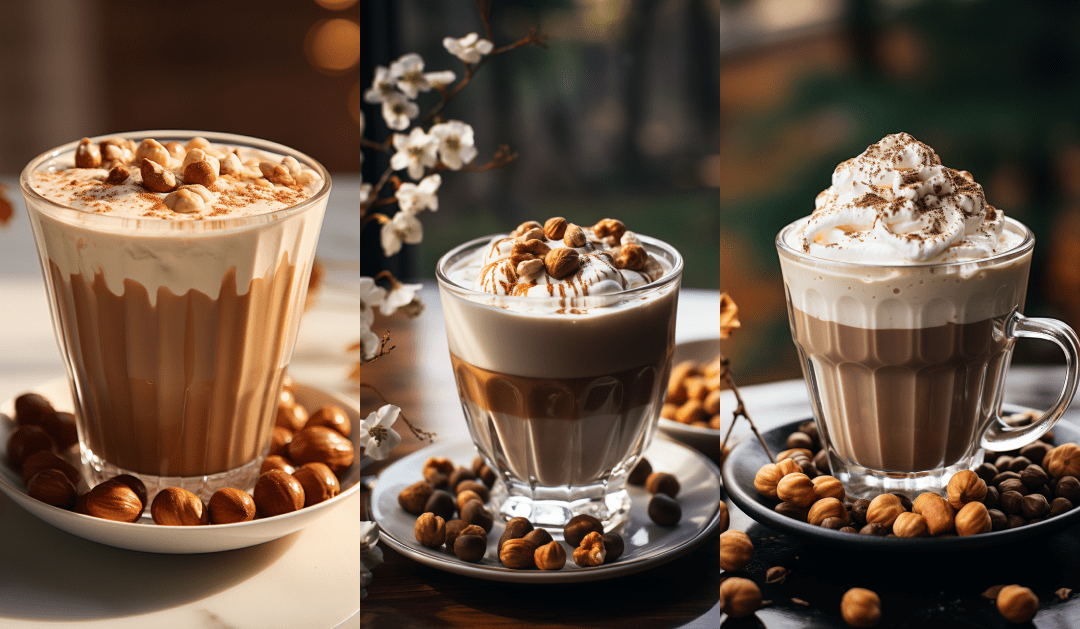
”Hot chocolate with hazelnut creme, in [different location]“
Prompt
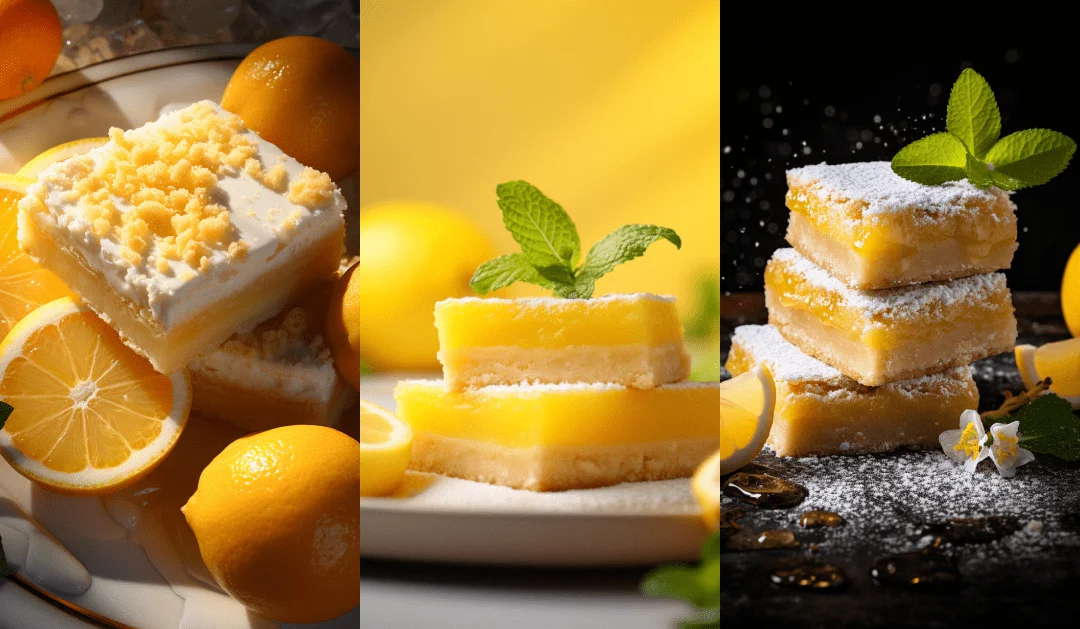
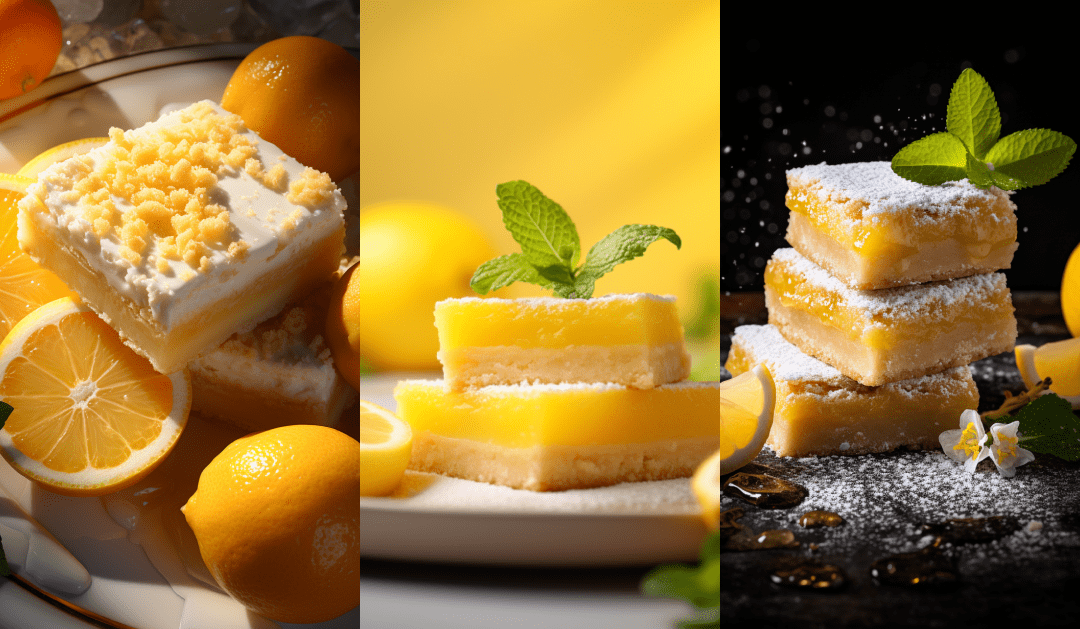
”Lemon bar, lemon square, powdered sugar, marble surface”
Prompt
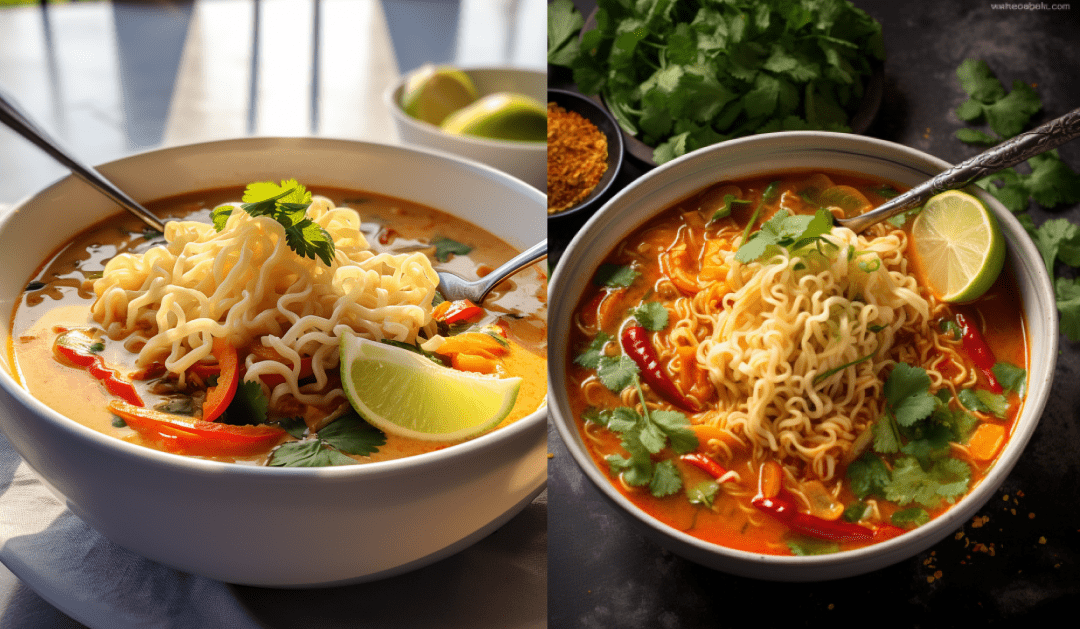
”Red curry noodle soup in a ceramic bowl, moody lighting”
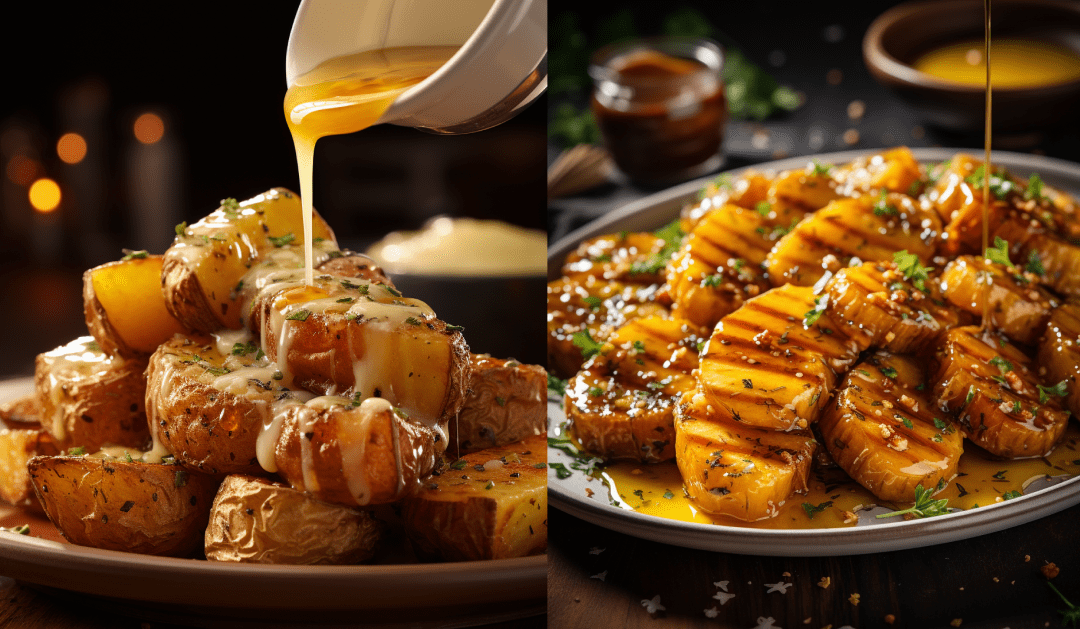
Prompt
”Honey mustard potatoes, rustic ceramic plate, herbs”
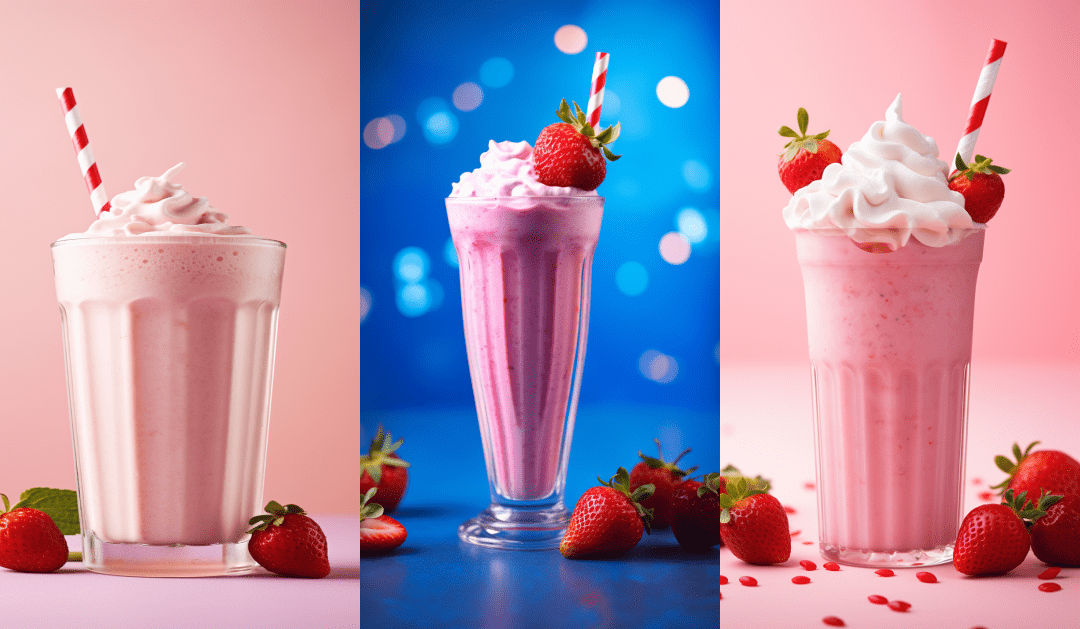
Prompt
”Strawberry milkshake, tall glass, pastel pink background”
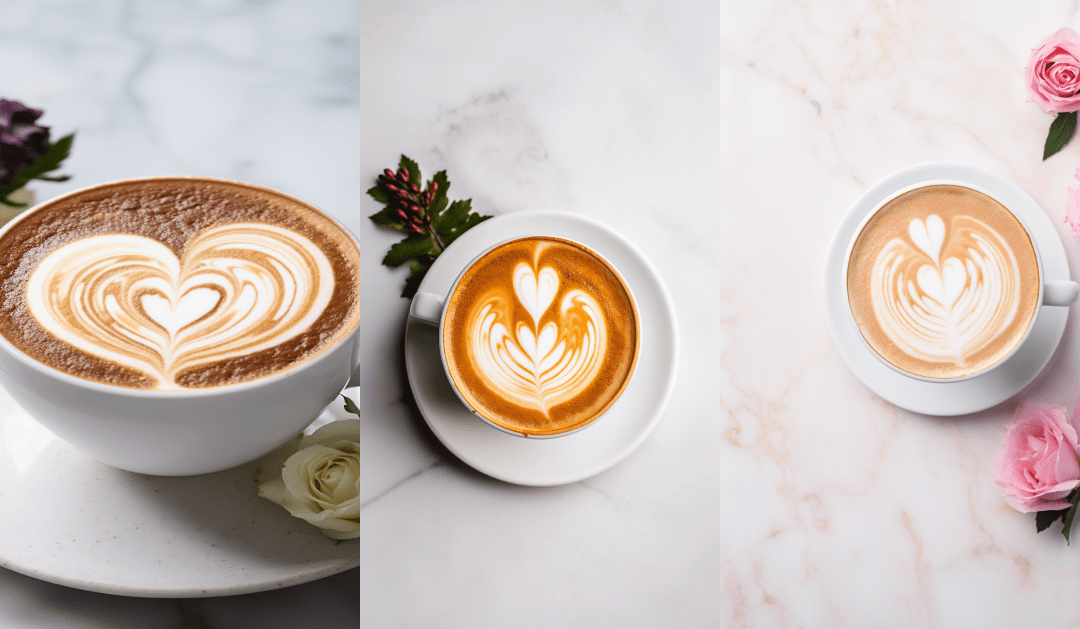
Prompt
”Cappuccino with heart-shaped foam, latte art, warm tones”
The strategy here is one dish, many variations. Change the background, swap the angle, adjust the lighting — each variation becomes a separate pin targeting a different search query. This is strategic omnipresence, not spam.
Great AI images are only half the equation. Pinterest SEO determines whether those images actually get discovered.
Before generating images, plan your board structure. Each board targets a specific search category — and your AI variations spread across all of them.
Example board strategy for a food creator
Quick Weeknight Dinners
Under-30-minute meals
Vegan Desserts
Plant-based sweets
Holiday Baking
Seasonal recipes & treats
Coffee & Drinks
Lattes, smoothies, cocktails
Meal Prep Ideas
Batch cooking & storage
Easy Citrus Desserts
Lemon, lime, orange recipes
One recipe (lemon bars) can legitimately appear on “Vegan Desserts,” “Holiday Baking,” and “Easy Citrus Desserts” — each with a different AI-generated image variation. That’s 3 pins from one recipe, each reaching a different audience.
Here’s the step-by-step process that turns AI food photos into compounding traffic.
Step 01
Don't just create random images. Plan each variation around a specific keyword or board theme. "Vegan chocolate cake" and "easy birthday dessert" should get different visual treatments even if they link to the same recipe.
Step 02
Pinterest's algorithm favors tall images. A 2:3 ratio (1000×1500px) takes up maximum screen real estate in the feed. Square and landscape images get compressed and buried.
Step 03
Every pin needs a description packed with relevant search terms — naturally, not stuffed. Include the dish name, cuisine type, occasion, and dietary tags. Use AI prompts to generate description variations at scale.
Step 04
Create boards around specific niches: "Quick Weeknight Dinners," "Vegan Desserts," "Holiday Baking." Each board should have its own keyword-optimized title and description. Pin your AI variations across multiple relevant boards.
Step 05
Use Pinterest Analytics to identify which pins earn the most saves and outbound clicks. Generate more variations of your top performers — the algorithm rewards content that already has engagement signals.
AI food photography solves the biggest bottleneck for Pinterest creators: volume.
Traditional photoshoot vs. AI generation
Before — Traditional
5-10
usable images per session
2-4 hours of shooting time
Props, lighting, styling costs
One angle, one location per shoot
Reshoot required for new variations
After — AI generation
50+
variations in the same time
Minutes per batch, not hours
Zero equipment or location costs
Unlimited angles, surfaces, moods
New variations from a single prompt tweak
Combined with a solid board strategy and keyword research, this approach lets you dominate entire food categories on Pinterest. Here’s the workflow.
The AI Pinterest pipeline
Create 20-30 AI variations per recipe. Swap one prompt variable at a time — angle, surface, lighting, mood — so each image is visually distinct but targets the same dish.
Every pin gets a unique description targeting a specific search query. Use AI to generate variations at scale — dish name, cuisine type, dietary tags, and occasion keywords.
Pin each variation to the most relevant board. One recipe legitimately spans 3-5 boards — each board reaches a different audience searching for different terms.
Use Pinterest Analytics to find your top-performing pins by saves and clicks. Generate more variations of winners — the algorithm rewards content with existing engagement signals.
Repeat weekly — every batch compounds on the last
MySocial’s AI Content Studio handles the full pipeline — generate AI food images and keyword-optimized pin descriptions in one place. No switching between tools. One workflow from prompt to published pin.
Use a SmartLink in your pin descriptions to route Pinterest traffic to the right destination — whether that’s your YouTube channel, Instagram profile, or blog. Learn more about bio link optimization and deep linking strategies to maximize every click.
For more on creating content efficiently with AI, see our guides on creating content faster with AI and practical AI prompts for creators.
Captions, descriptions, hooks, and scripts — built for creators who need to publish consistently across every platform.
Try AI Content StudioAI & Content Creation Workflows
Related Posts
The ultimate social media stats for 2026 -- user counts, engagement rates, demographics, and revenue data across all major platforms.

Platform demographics shift constantly. Here is where each generation spends time online and how creators can follow their audience to the right platform.
A step-by-step 30-day content plan to post consistently on YouTube, Instagram, and TikTok without burning out.