10 Must-Have Tools Every Influencer Needs
The best tools for influencers to create content, find sponsors, grow followers, and manage social media like a pro.

Quick answers
Build a professional media kit with verified analytics, identify brands that already sponsor creators in your niche, send a personalized pitch with audience data and content ideas, and follow up within 5 business days. Tools like MySocial let you search 10,000+ brands and pitch directly.
There is no hard minimum. Micro-influencers with 1,000-10,000 engaged followers regularly land paid deals because brands value engagement rate over follower count. A 5% engagement rate on 5,000 followers is more valuable than 1% on 100,000.
A common baseline is $10-$25 per 1,000 followers for a single post, adjusted by engagement rate, niche, and deliverables. YouTube sponsorships typically command higher rates than Instagram or TikTok because of longer content shelf life and higher production value.
Audience alignment (demographics match their customer), consistent engagement rate above 2%, professional presentation through a media kit, and a track record of quality content. Brands care more about audience fit than raw follower count.
Most creators wait for sponsors to find them. That is the slowest path to monetization. The creators earning consistent brand deal revenue treat sponsorship like sales — they prospect, pitch, and close. This guide walks through the exact five-step system for finding and landing social media sponsors, whether you have 5,000 followers or 500,000.
83%
Of brands plan to increase influencer spend
$10-25
Typical rate per 1K followers per post
5x
ROI micro-influencers generate vs traditional ads
Before you pitch a single brand, you need proof that your audience is real and valuable. That proof is your media kit — a one-page portfolio of your analytics, audience demographics, and past work.
What a strong media kit includes
Audience demographics
Age, gender, location
Engagement metrics
Likes, saves, shares
Platform stats
Followers, views, growth
Past collaborations
Brands & results
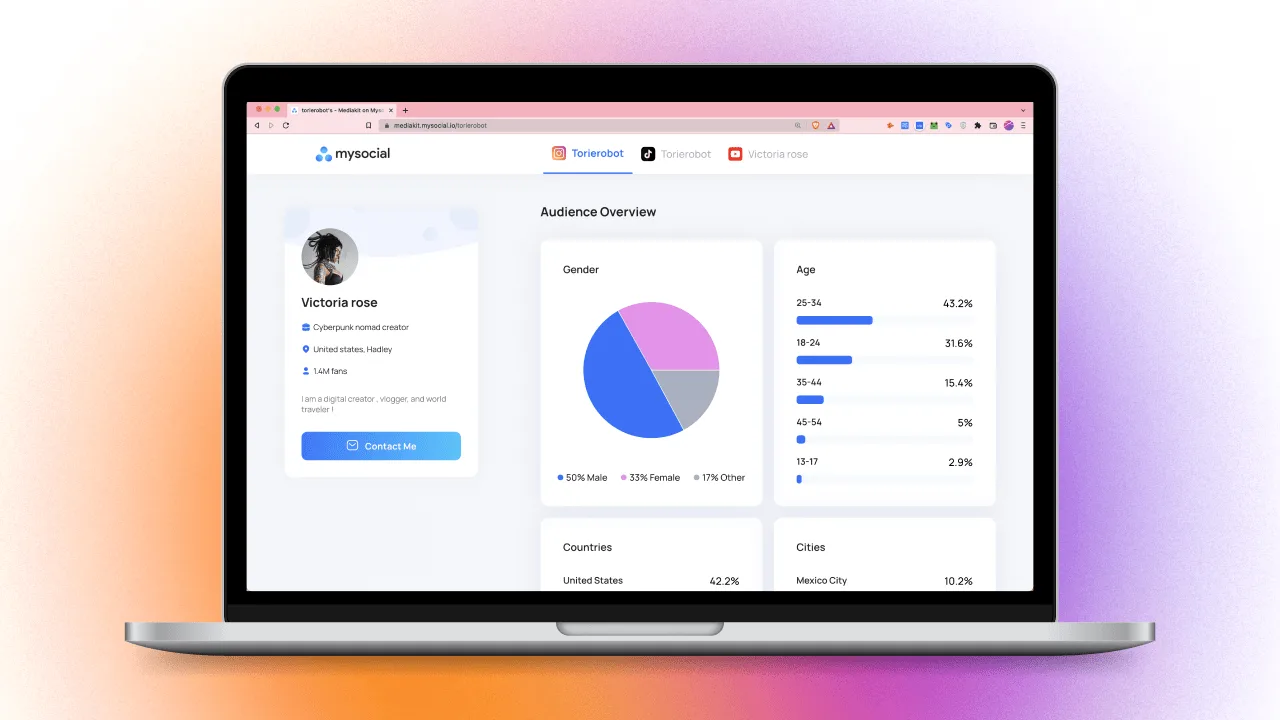
The fastest way to build one is with MySocial’s live media kit. It connects to your YouTube, Instagram, and TikTok accounts, pulls verified analytics daily, and gives you a shareable link you can drop into any pitch email. No screenshots, no outdated PDFs.
Follower count is not your value proposition. Brands buy access to a specific audience and the trust you have built with them. Before pitching, clarify three things:
”Lifestyle creator” tells a brand nothing. “Minimalist home design for millennial renters” tells them exactly who they will reach. The more specific, the higher your rates.
A beauty creator with 70% women aged 25-34 in the US is worth more to a skincare brand than a general channel with 10x the followers. Demographics drive deal sizes.
Maybe your YouTube SEO drives evergreen search traffic. Maybe your Reels hit Explore. Maybe your audience trusts your reviews. That is your pitch angle.
Blind cold emails to random companies waste everyone’s time. Smart prospecting means finding brands that already invest in influencer marketing and match your audience.
Prospecting playbook
Mine your own feed
Scroll your niche hashtags and note which brands sponsor creators similar to you. If a brand pays your competitor, they will pay you. Check “paid partnership” tags on posts from creators in your space.
Research brand marketing teams
Find the influencer marketing manager or partnerships lead on LinkedIn. A personalized pitch to the right person converts 10x better than a generic email to info@brand.com.
Use a sponsor database
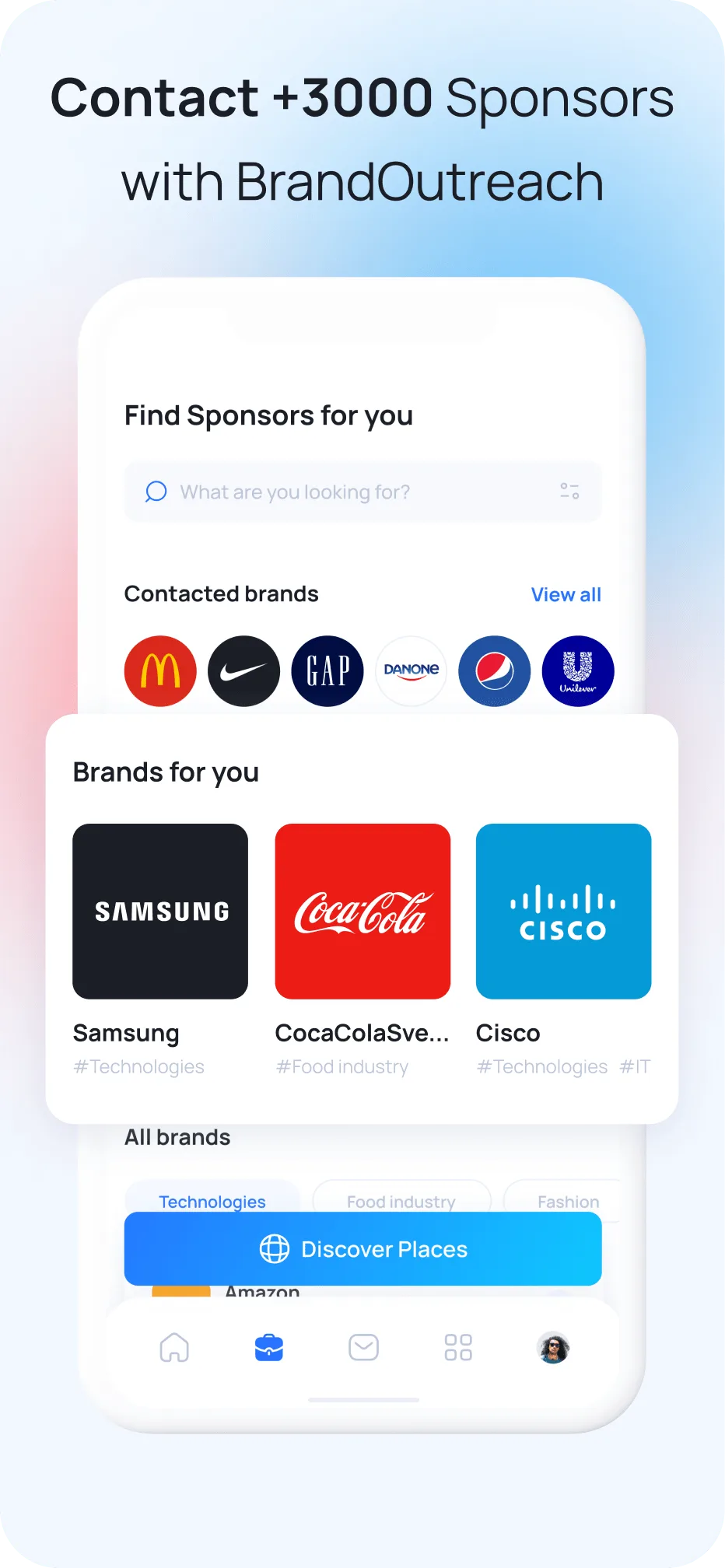
MySocial’s sponsor prospecting tool lets you search 10,000+ verified brands, filter by industry, and get direct decision-maker contacts — no gatekeepers, no agencies taking a cut.
The rule: 10-15 targeted pitches per week beats 100 spray-and-pray emails every time.
Your pitch email is a sales letter. It needs to answer one question in the first two sentences: why should this brand care?
Anatomy of a pitch that converts
Open with their brand, not yours
Reference a specific product launch or campaign. “I noticed your new protein bar targeting gym-goers — my 45K fitness followers are exactly that demographic.”
Present the content opportunity
Be specific. “A 60-second Reel + 3 Stories with swipe-up” beats “I’d love to collaborate” every time.
Back it with data
Link your live media kit. Lead with engagement rate, average views, and audience demographic match.
State your rate
Give a clear price. Creators who say “let me know your budget” get lowballed. Not sure what to charge? Use our pricing guide.
Close with a next step
”Are you available for a 15-minute call this week?” Give them a reason to reply now, not later.
Landing the first deal is step one. Turning it into a recurring partnership is where real revenue lives. Brands that see results come back — and they increase budgets.
1x
First deal
Deliver on time, on brief, and over-deliver with a bonus deliverable. Share a campaign report before they ask for one.
3-6 mo
Recurring partner
Propose a multi-post package at a slight discount. The brand gets consistency, you get guaranteed revenue and creative freedom.
12 mo+
Brand ambassador
Long-term exclusivity deals, co-branded products, and annual retainers. This is where six-figure creator income is built.
Missing deadlines or going off-brief without communicating first
Disappearing after posting — brands want to see how content performed
Waiting for the brand to reach out again months later
Charging significantly more for the second deal without improved results
Treating the partnership as transactional instead of relational
Deliver content on time and on brief — reliability is rare and brands remember it
Share a campaign performance report with real-time analytics after the campaign
Suggest a follow-up campaign idea before the brand has to ask
Over-deliver on deliverables — add a bonus Story or behind-the-scenes clip
Keep the brand updated during the campaign with engagement screenshots
The goal is a pipeline: always have pitches out, always have deals in progress, and always have past partners you can re-engage. Learn from creators who approach sponsorships systematically in our influencer marketing success guide.
Sponsors do not fall into your lap. You build a media kit, research aligned brands, send personalized pitches, and follow up. Repeat that weekly and your inbox starts filling with inbound requests because brands talk to each other — one successful campaign gets you referred.
Start by building your live media kit so you have something to send the moment you find the right brand. Then use MySocial’s sponsor search to find 10 brands this week that fit your niche and audience — and pitch every single one.
Search 10,000+ verified brands, get decision-maker contacts, and pitch with AI — all from one platform. Keep 100% of your revenue.
Start ProspectingCreator Monetization & Brand Deals
Related Posts
The best tools for influencers to create content, find sponsors, grow followers, and manage social media like a pro.
Pricing framework for creator sponsorships. Base rates, add-on pricing for usage rights, tiered packages, and negotiation tactics.
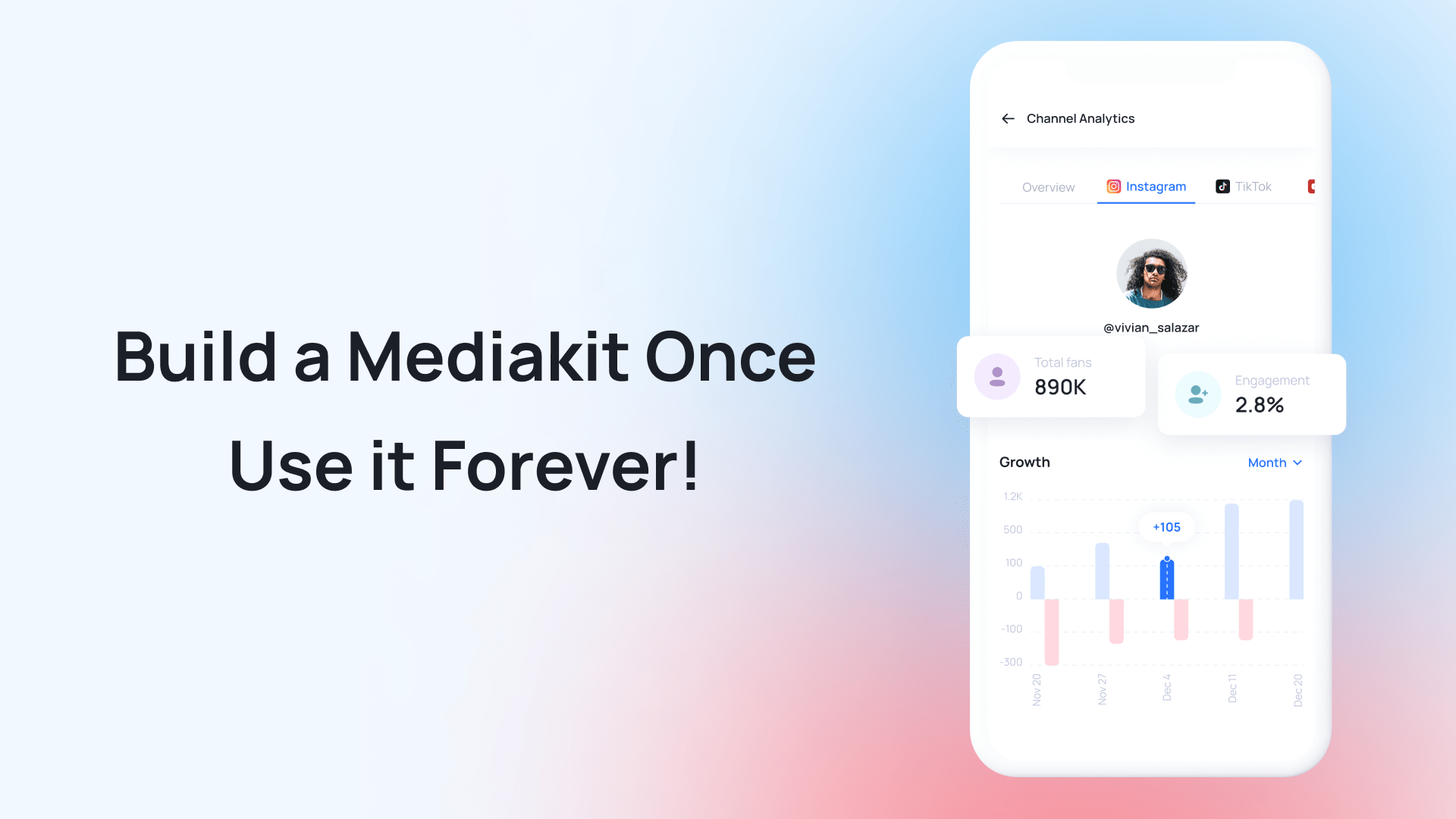
Build a media kit brands respond to. 8 must-have sections, engagement benchmarks, rate card structure, and the shift to live analytics.